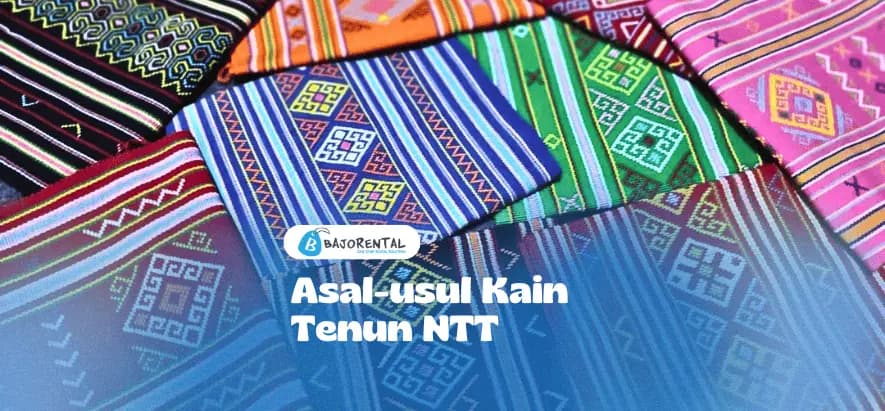
NTT woven fabric (kain tenun) is one of Eastern Indonesia's most prized cultural treasures, with roots stretching back over 3,500 years to the 3rd century AD. More than just a pretty souvenir, each piece carries deep philosophical meaning, a complex production process, and a living cultural identity. If you're visiting Labuan Bajo or anywhere in Nusa Tenggara Timur (NTT), understanding the story behind the fabric makes buying it even more rewarding.
What Is NTT Woven Fabric (Kain Tenun)?
Kain tenun is a traditional textile produced through a weaving technique unique to Nusa Tenggara Timur. The process involves weaving horizontal threads — known as benang pakan — through vertically arranged threads called benang lungsi, which have been pre-dyed using natural plant-based colors.
Historically, woven fabric was reserved exclusively for traditional ceremonies and sacred rituals. Today, it has evolved into NTT's most iconic cultural product and the region's most sought-after souvenir — from scarves and sarongs to bags, wallets, and accessories.
The level of craftsmanship involved in producing kain tenun is extraordinary, which is why authentic pieces can range from a few hundred thousand rupiah to several million. Every thread tells a story worth knowing.

How Is NTT Woven Fabric Made? The 6-Stage Process
The beauty of kain tenun doesn't happen by accident. There are six meticulous stages involved in creating a single piece, each requiring patience, skill, and deep cultural knowledge.
-
Stage 1: Thread Collection
The process begins with gathering threads of different types — cotton, rayon, and kapas (natural cotton fiber). These threads are separated into two functional categories: benang lungsi (warp threads that form the base of the fabric) and benang pakan (weft threads that run horizontally across the warp).
-
Stage 2: Menghani (Thread Arrangement)
Before any dyeing takes place, the warp threads are carefully arranged on the loom using a traditional tool called a hani. This step establishes the structural foundation of the fabric and must be completed with precision before weaving begins.
-
Stage 3: Natural Dyeing
Once the threads are spun and tied, they are dipped into natural dyes — a defining characteristic of authentic NTT tenun ikat. These dyes are derived from tree roots and various natural plants, producing rich, long-lasting colors entirely free of synthetic chemicals.
-
Stage 4: Weaving (Penenunan)
This is where the magic happens. The dyed warp and weft threads are interlaced on the loom — warp threads running vertically, weft threads running horizontally. A comb-like tool and a clamp assist in passing the weft thread over and under the warp, gradually building up the intricate patterns and colors.
-
Stage 5: Attaching the Warp to the Bum Kain
The warp threads are then released using a heddle (mata gun) and comb, before being secured to a section of wood on the bum kain — the traditional loom frame. This anchors the fabric structure in place for the final stage.
-
Stage 6: Tenun Setting (Penyetelan)
The final stage involves arranging the warp threads vertically according to the intended motif. This setting process determines the exact positioning of each thread, locking in the pattern that will define the finished fabric's design.
While six steps may sound straightforward, each one demands incredible attention to detail and can take days or even weeks to complete for a single piece. That's why kain tenun commands such high prices — and why it's absolutely worth it.
Where to Buy Authentic NTT Woven Fabric
Kain tenun is available on various Indonesian e-commerce platforms, but if you want an authentic piece directly from artisans, visiting a physical gallery in Kupang is the way to go. Here are three top recommendations:
-
Batik Tenun Ikat Jala Huba
Located on Jalan Frans Seda, Kelurahan Fatulili, Kecamatan Oebobo, this gallery offers a wide range of authentic NTT tenun ikat. Prices start from around Rp300,000 and go up to several million rupiah. You can also find uncut fabric lengths here — perfect if you want to commission something custom.
-
Kois Kaos Kupang
If you're looking for ready-to-wear tenun products, head to Kois Kaos Kupang at Jalan Cak Doko 88C, Kelurahan Oebobo. This shop offers a variety of finished garments — from t-shirts to other clothing styles — all featuring beautiful traditional tenun motifs.
-
Yos Gallery
For serious fabric hunters, Yos Gallery at Jalan Timor Raya KM.15, Kelurahan Tarus, Kupang Tengah is a must-visit. With over 20,000 options of NTT tenun ikat, this is one of the largest selections available. Prices range from hundreds of thousands to millions of rupiah.
Plan Your NTT Textile Journey from Labuan Bajo
NTT woven fabric has journeyed through centuries — from sacred ceremonial use to becoming the defining souvenir of the entire region. Whether you're island-hopping around Komodo National Park or exploring Kupang, picking up an authentic piece of kain tenun connects you to something genuinely timeless.
Planning a trip to Labuan Bajo or Komodo Island and want to include a cultural textile experience in your itinerary? Let us help you plan the perfect NTT adventure — from island tours to cultural stops worth your time.