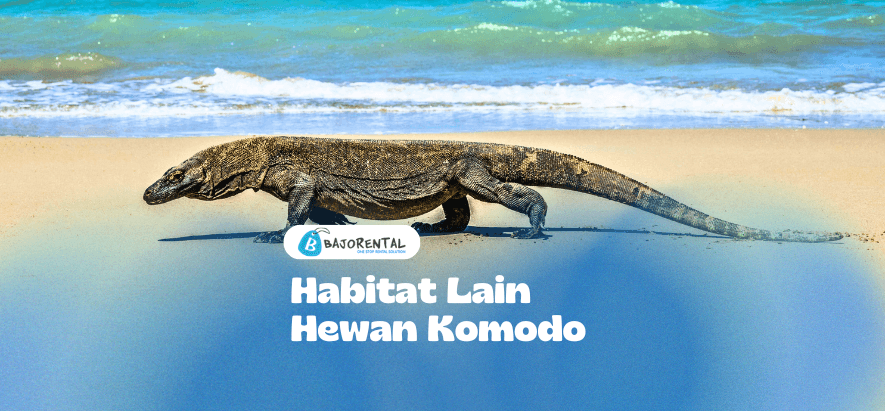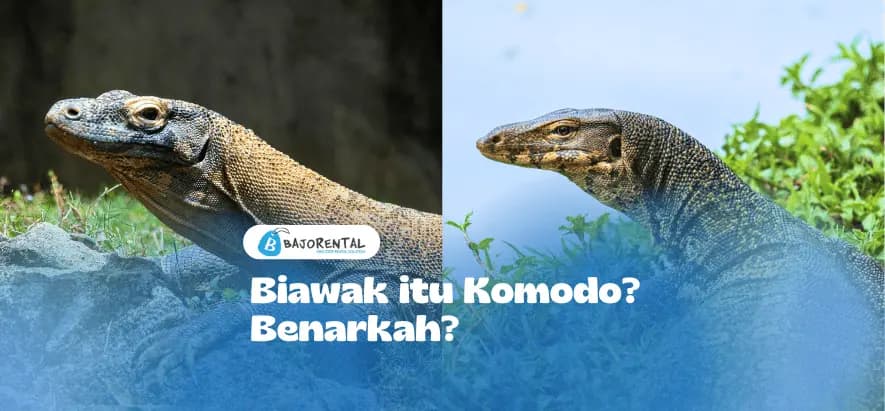
Komodo dragons and monitor lizards look strikingly similar, but they are not the same animal. The Komodo dragon (Varanus komodoensis) is the world's largest lizard, found exclusively in Komodo National Park in Flores, Indonesia. Monitor lizards, by contrast, are far more widespread and commonly spotted near rivers, swamps, and even residential neighborhoods across Southeast Asia. If you've ever seen a large lizard wandering near a plantation or pond and thought it was a baby Komodo — it was almost certainly a monitor lizard.
Komodo vs Monitor Lizard: Key Differences You Should Know
It's completely understandable to mix these two up. Both species belong to the Varanus family of lizards, which is why they share a similar appearance. But once you know what to look for, telling them apart becomes much easier.
Lifespan
One of the less obvious differences is how long each animal lives. Monitor lizards typically live between 8 and 20 years, depending on the species. Komodo dragons, often called "living prehistoric reptiles," can live between 20 and 30 years — a significantly longer lifespan that reflects their status as ancient, resilient creatures.
Size
Size is the most obvious difference if you see them side by side. Komodo dragons are the largest lizards on Earth. Adult males can reach 2.59 meters in length and weigh between 70 and 90 kilograms. Females are slightly smaller, reaching up to 2.29 meters and weighing 69 to 73 kilograms.
Monitor lizards are no small creatures either — they're considered the second-largest lizards in the world after Komodos. They typically measure between 1 and 3 meters in length, but they are noticeably lighter and more slender in build.
Habitat
This is perhaps the most important difference. Komodo dragons are endemic to a small group of islands in Flores, Indonesia — primarily Komodo Island, Rinca Island, Gili Motang, and a few surrounding smaller islands, all within Komodo National Park. You will never encounter a Komodo dragon near a housing estate or urban area.
Monitor lizards, on the other hand, are highly adaptable. They thrive near water sources such as rivers, swamps, and wetlands, and are frequently spotted close to human settlements. They are the large lizards you're most likely to see in Indonesian cities and villages.
Komodo dragons prefer semi-tropical, warm, and dry environments. Monitor lizards prefer wetter, more humid habitats near water.
Behavior
Behavior is another clear distinction. Some people do keep monitor lizards as exotic pets, though this is not common. Komodo dragons, however, are completely wild animals — they are aggressive, venomous, and should never be approached casually.
Komodo dragons are also an endangered species, with only approximately 3,000 individuals remaining in the wild worldwide. It's critical that they remain undisturbed in their natural habitat. If you're ever lucky enough to encounter a Komodo dragon on a tour in Labuan Bajo, keep your distance and follow your guide's instructions at all times.
Diet
Both animals are carnivores, but their prey differs significantly. Komodo dragons hunt large prey — their primary diet in the wild consists of deer and goats. Monitor lizards tend to target smaller animals such as birds, snakes, fish, and insects. Smaller monitor lizards in particular feed heavily on insects. The occasional monitor lizard has also been known to raid village livestock — which is likely where some of the Komodo dragon confusion comes from!
Where to Find Komodo Dragons in Their Natural Habitat
Komodo dragons are endemic to Indonesia and live exclusively within Komodo National Park in the Flores region. Originally believed to have migrated from Australia approximately 900 years ago, they settled on the islands of Flores and have called this region home ever since.
Today, the main islands where Komodo dragons live are:
- Komodo Island
- Rinca Island
- Gili Motang Island
- Several smaller surrounding islands within the national park
The best way to see Komodo dragons in the wild is by joining a Sailing Komodo trip from Labuan Bajo. These tours take you directly into Komodo National Park, where experienced rangers guide you safely through the dragons' territory. It's a truly unforgettable wildlife experience — one you simply cannot replicate anywhere else in the world.
So the next time you spot a large lizard near a swamp or garden, rest easy — it's a monitor lizard, not a Komodo dragon. And when you're ready to see the real thing, Labuan Bajo is waiting for you!