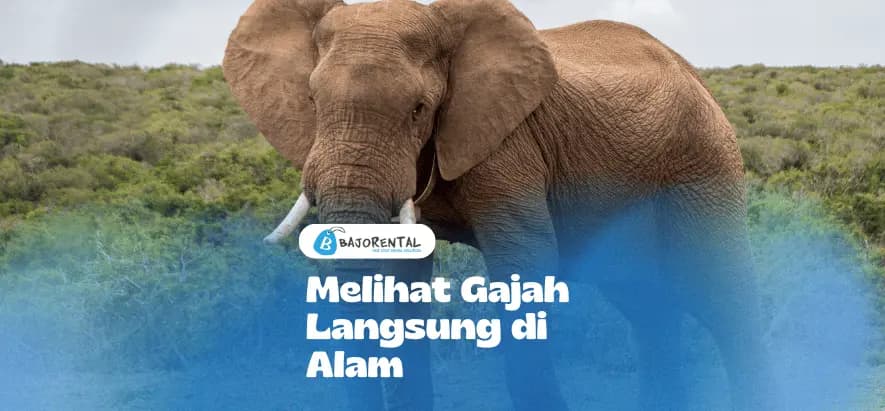
Want to see wild elephants up close in their natural habitat? Indonesia is home to some of Southeast Asia's best elephant-watching destinations. From the lush lowlands of Lampung to the ancient rainforests of Aceh, you can witness Sumatran elephants roaming freely — calves playing, mothers nurturing, and herds moving through the forest in breathtaking silence. Here are the top destinations to make it happen.
For nature lovers and adventure seekers, watching elephants in the wild is an irreplaceable experience. There's something deeply moving about seeing these giant creatures walking gracefully through the jungle or gathering with their herd — something no zoo visit can ever replicate.
Unlike captive settings, seeing elephants in the wild gives you a profound sense of harmony with nature. You feel like part of their world, not just an observer from behind a fence.
If you're lucky, you might even catch playful elephant calves tumbling around like oversized toddlers — or watch a mother elephant firmly (and skillfully) discipline her mischievous baby. It's pure, unscripted wildlife magic.
Why Seeing Wild Elephants Is Such a Special Experience
Seeing elephants in the wild isn't just about following a social media trend. It's about witnessing real elephant social behavior — how they protect their young, play in rivers, and use their trunks to forage for food. These are things you simply cannot experience in a zoo or theme park.
It's not just exciting for adults — it's genuinely educational for children too. Wild elephant watching is a powerful combination of adventure, conservation awareness, and deep respect for wildlife. And for the endangered Sumatran elephant, responsible wildlife tourism also plays a role in protecting their future.
Top Destinations to See Wild Elephants in Indonesia
Way Kambas National Park, Lampung, Sumatra
Way Kambas National Park in Lampung, Sumatra, is Indonesia's most celebrated elephant-watching destination — and one of the best in all of Southeast Asia. It's home to Sumatran elephants, a critically endangered species whose numbers are rapidly declining.
Beyond being a wild elephant habitat, Way Kambas also houses an important elephant conservation and training center. Here, you can watch elephants roam freely across open grasslands and lowland forests. If the timing is right, you can join guided wild elephant observation tours led by experienced local rangers.
The best time to visit Way Kambas is during the dry season (July–October), when wildlife sightings are significantly easier due to lower vegetation and more predictable animal movement.
Bukit Barisan Selatan National Park, Lampung & Bengkulu
Bukit Barisan Selatan National Park (TNBBS) is one of Indonesia's largest conservation areas, stretching from Lampung all the way to Bengkulu. It's a hidden paradise for rare wildlife including tigers, rhinos, and of course, Sumatran elephants.
Unlike Way Kambas, TNBBS is more challenging to explore due to limited access and rugged, untouched terrain — but that's exactly what makes it so special. If you're after a truly raw, off-the-beaten-path wildlife experience, this is the place for you.
Nearby villages like Desa Sukaraja Atas and Desa Pemerihan offer eco-tracking experiences led by trained local guides. Deep in the forest, you might suddenly hear a distant rumbling — that could be a herd of elephants on the move. It feels like you've stepped straight into Jurassic Park.
Gunung Leuser National Park, Aceh & North Sumatra
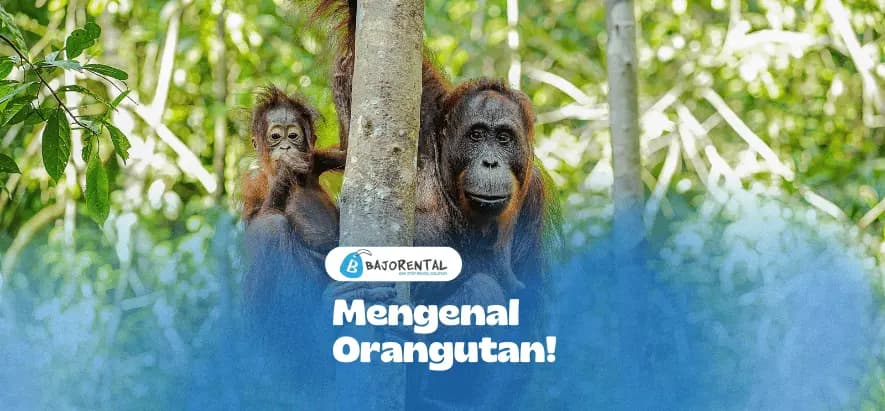
While Gunung Leuser National Park is best known as an orangutan sanctuary, it's also an important stronghold for wild Sumatran elephants. This massive park spans multiple ecosystems — from tropical rainforest to mountain highlands and lowland plains.
Read also: Mengenal Orangutan – Indonesia's Incredibly Intelligent Endemic Primate
To maximize your chances of spotting elephants, start your journey from Southeast Aceh or Langkat in North Sumatra. Many local communities offer multi-day jungle trekking packages where you camp deep in the forest — significantly increasing your chances of spotting wild elephant tracks or encountering a herd directly.
Tangkahan, North Sumatra
Still within the Gunung Leuser ecosystem, Tangkahan is a rising ecotourism village that's gained popularity for its community-driven conservation approach. Here, elephants that once came into conflict with local communities have now become ambassadors for wildlife preservation.
While the elephants at Tangkahan aren't fully wild, they still live in their natural forest habitat and are never used for circus performances or tourist rides. Activities like elephant bathing in the river, jungle trekking, and river tubing make Tangkahan a memorable and responsible wildlife experience.
Wildlife Etiquette: How to Watch Wild Elephants Responsibly
Before you plan your trip, here are some essential ethics to follow when observing wild elephants:
- Never feed or touch wild animals. It disrupts their natural behavior and can be dangerous for both you and the animal.
- Maintain a safe distance. This protects your safety and ensures the elephants feel undisturbed.
- Use official vehicles and designated trails. Avoid trampling vegetation or approaching herds from unauthorized directions.
- Keep noise to a minimum. Elephants are highly sensitive to sound and can become stressed or aggressive.
- Support conservation-based tours, not attraction tourism. Avoid any venue that offers elephant riding or circus-style performances. In their natural habitat, elephants deserve to live freely without excessive human interference.
Tips for Planning Your Wild Elephant Watching Trip
If this is your first wildlife adventure, here are some practical tips to make the most of your experience:
- Research the best visiting season. Each national park has optimal months for wildlife sightings — generally the dry season.
- Always hire a local guide. Not only is it safer, but local guides know exactly where elephants are most likely to appear.
- Bring a zoom-lens camera. And never use flash — it can startle wildlife and may be perceived as a threat.
- Wear neutral, muted clothing. Avoid bright colors that could attract unwanted animal attention.
- Follow ranger instructions at all times. Their guidance keeps everyone safe — including the elephants.
Seeing elephants in the wild is far more than just a travel activity. It's an experience that can genuinely shift how you see nature, wildlife, and life itself. There's a sense of awe and deep respect that grows inside you when you witness these magnificent creatures living in perfect natural balance.
So, are you ready to explore Indonesia's wild landscapes and come face-to-face with these gentle giants? Start planning your wildlife adventure with us today!